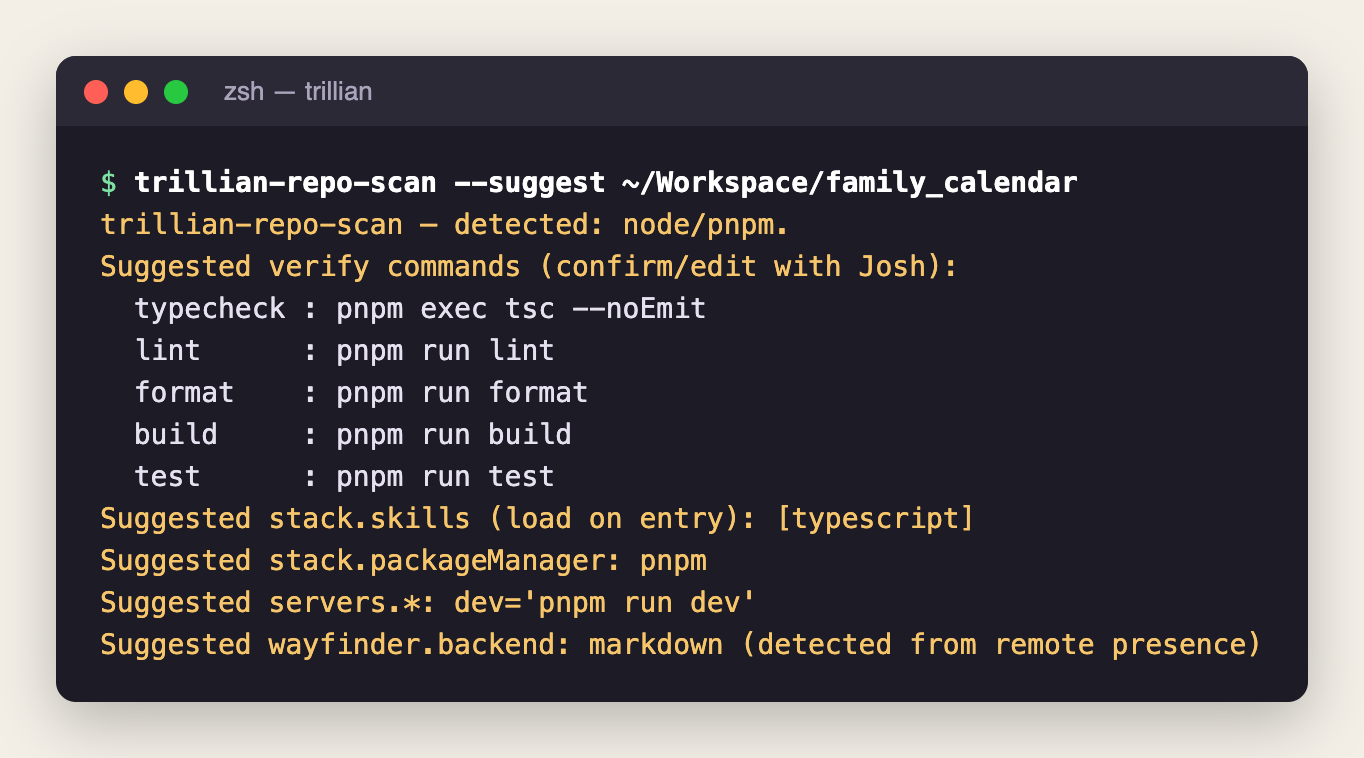

Build your own agentic layer, part 10: just say Trillian
Why I built Trillian: so I would not have to remember what it does. The trigger word, rules it writes for itself, and the habits that make it act without being asked.
Why I built Trillian: so I would not have to remember what it does. The trigger word, rules it writes for itself, and the habits that make it act without being asked.
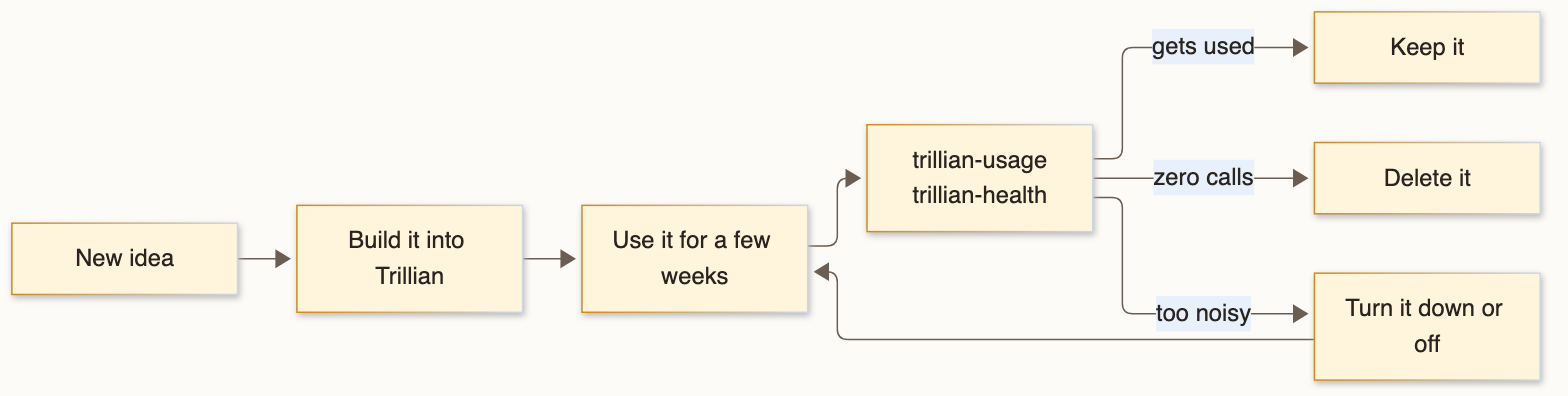
Every skill, server, and hook costs something each session. The two tools that tell me whether the config is accurate and what actually gets used, and what I cut because of them.
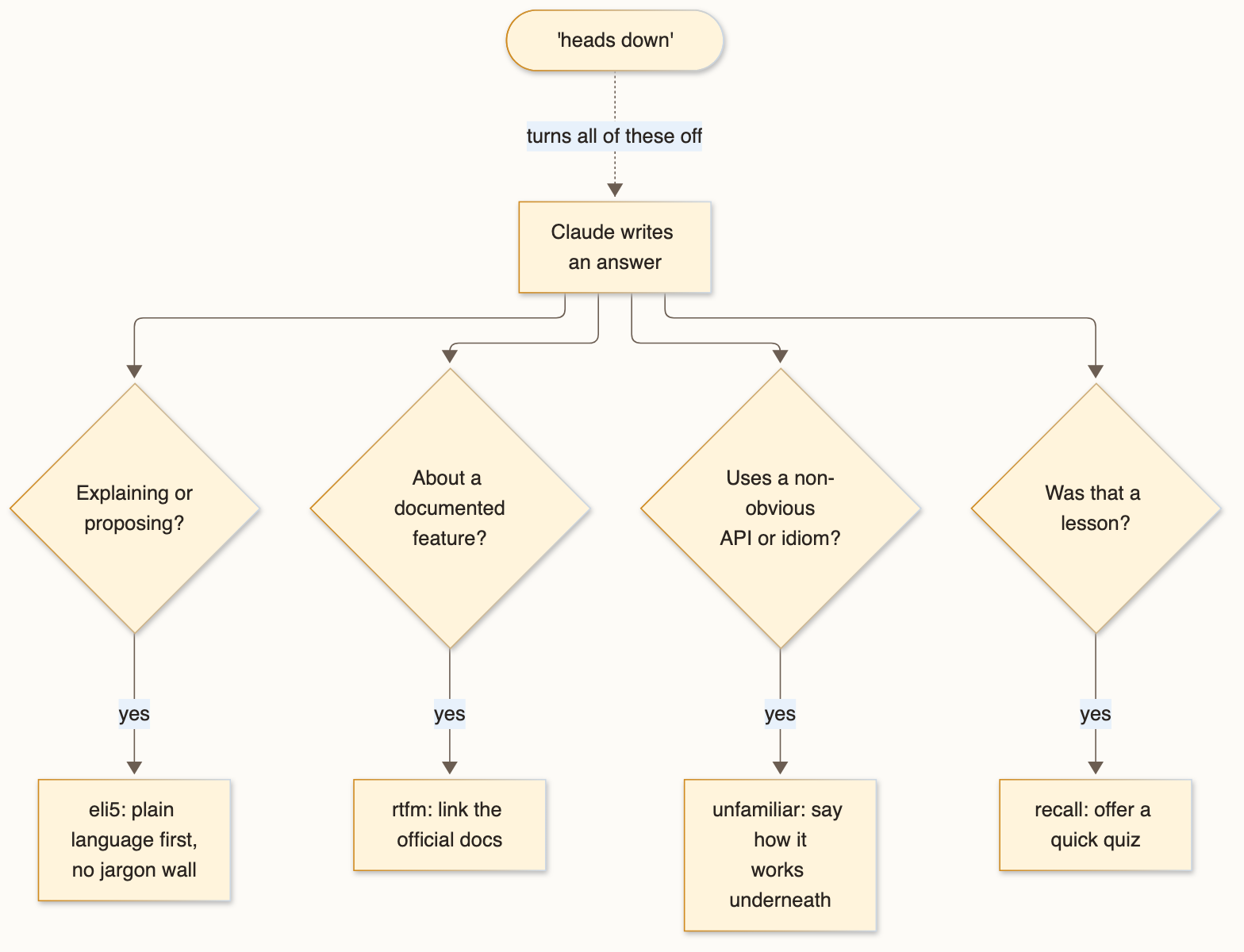
The more the agent does, the less I understand my own code. The learning skills that are on by default in every session, and the push-back rule against a too-agreeable agent.
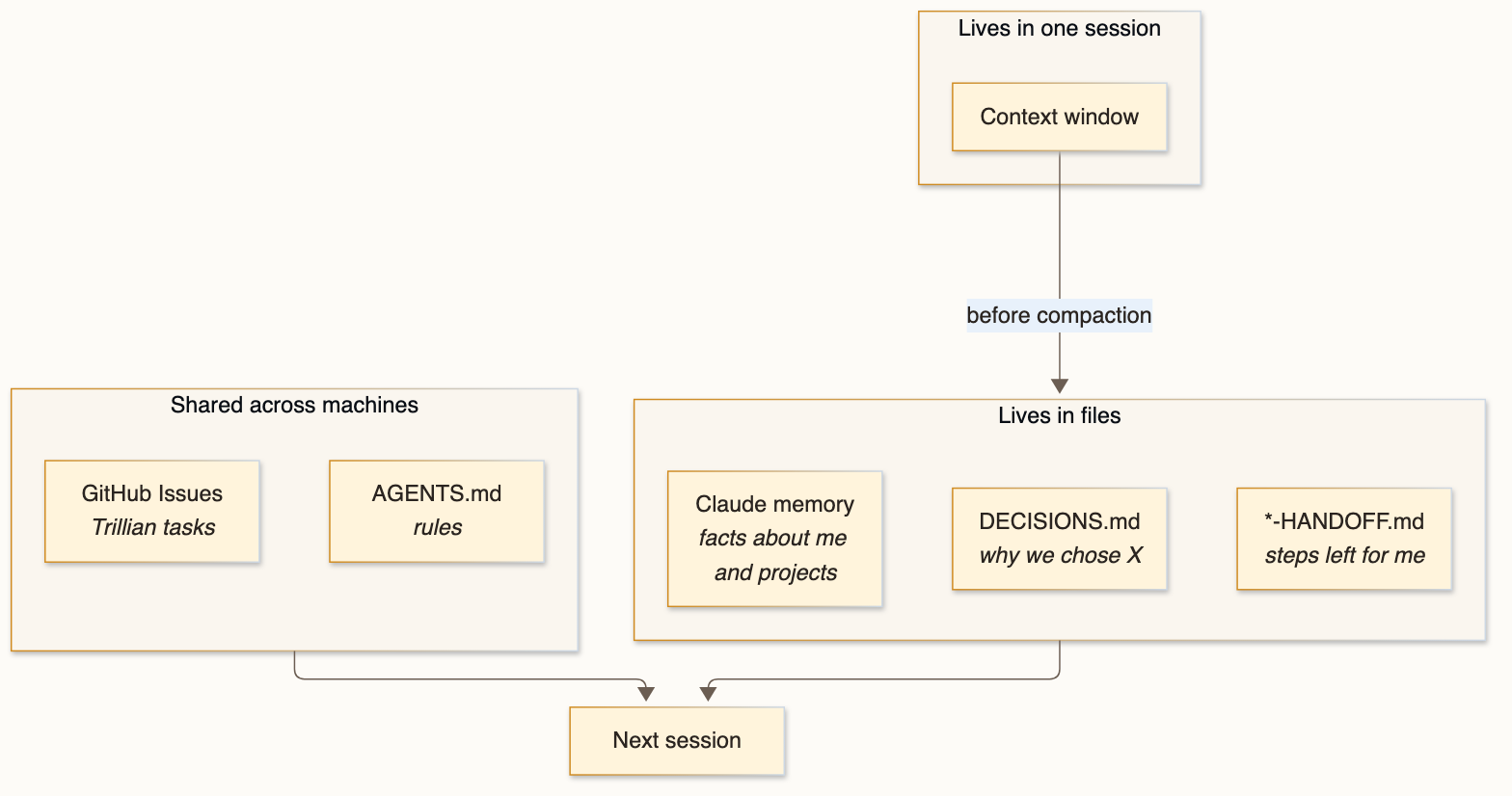
Context windows forget. Decision logs, hand-off files, a GitHub-backed task list, and a two-stage loop that turns my past corrections into proposed rules.
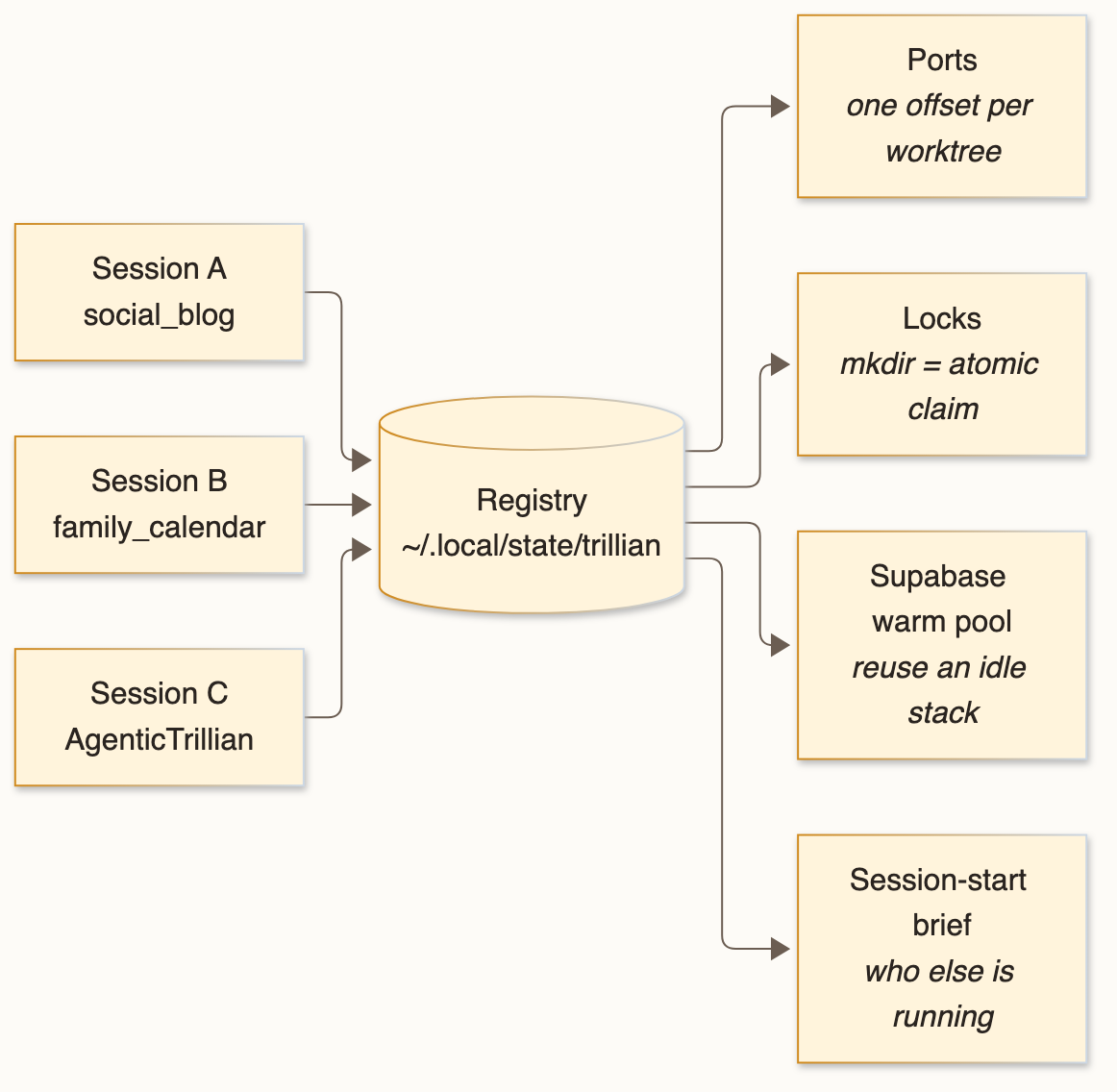
What collides when a dozen Claude sessions share one laptop, and the small registry, mkdir locks, and worktree habits that keep them out of each other's way.
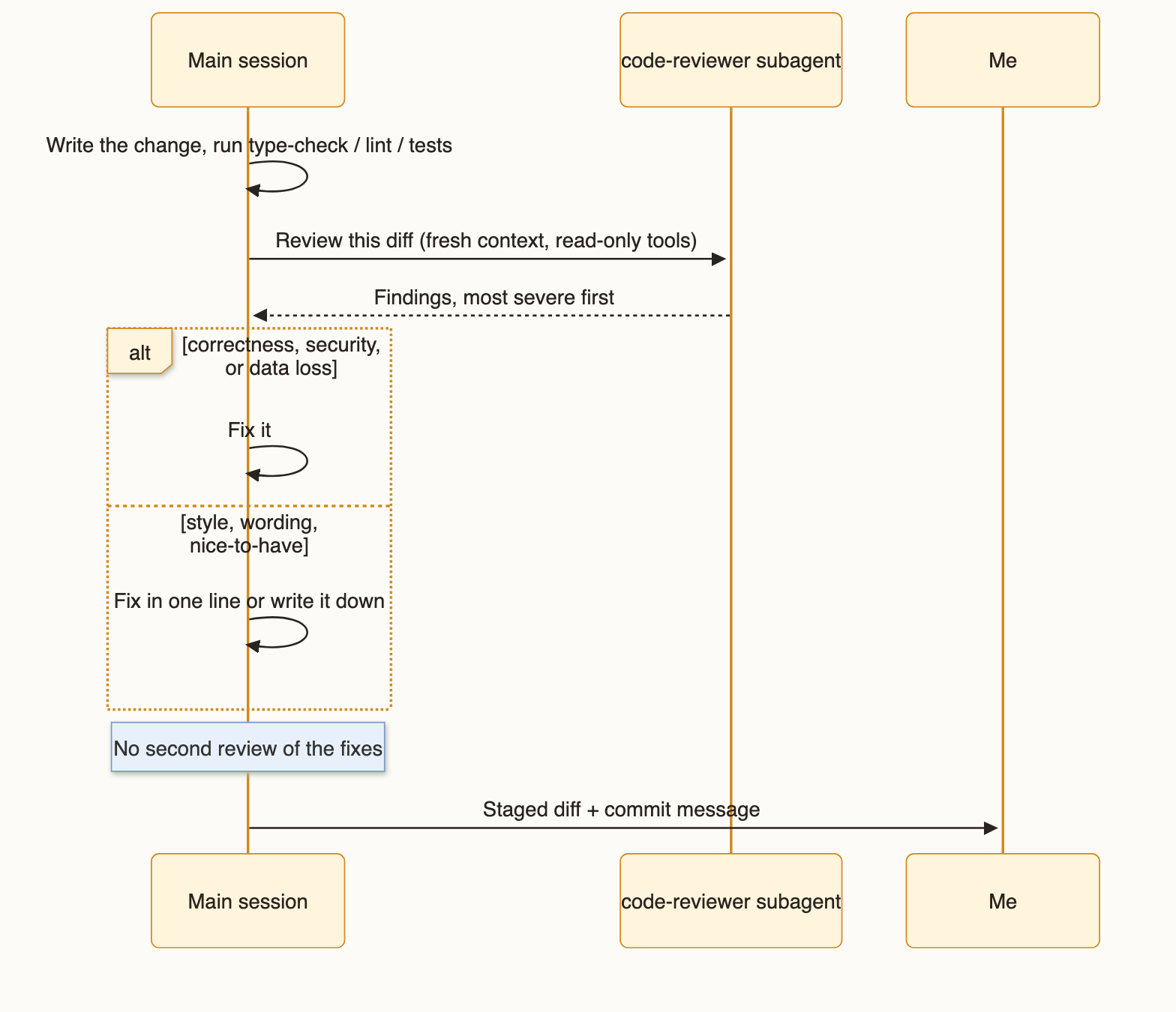
Subagents, context isolation, and a read-only code reviewer. Plus the review rule that caused a five-round loop, and why I check what reviewers tell me.
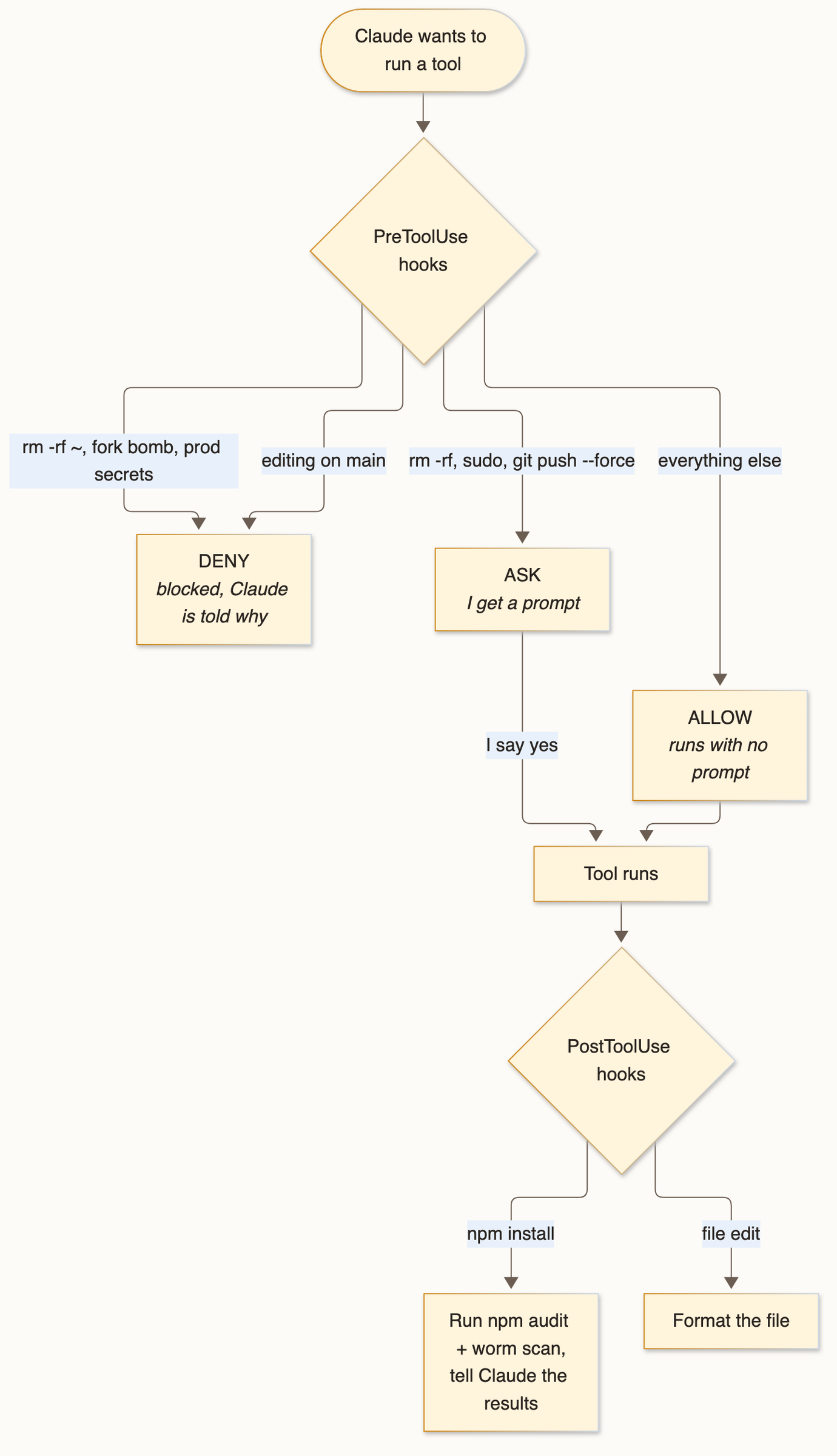
Rules are requests. Hooks are code. How I use Claude Code hooks to auto-approve the safe stuff, ask about the risky stuff, and keep agents away from production.
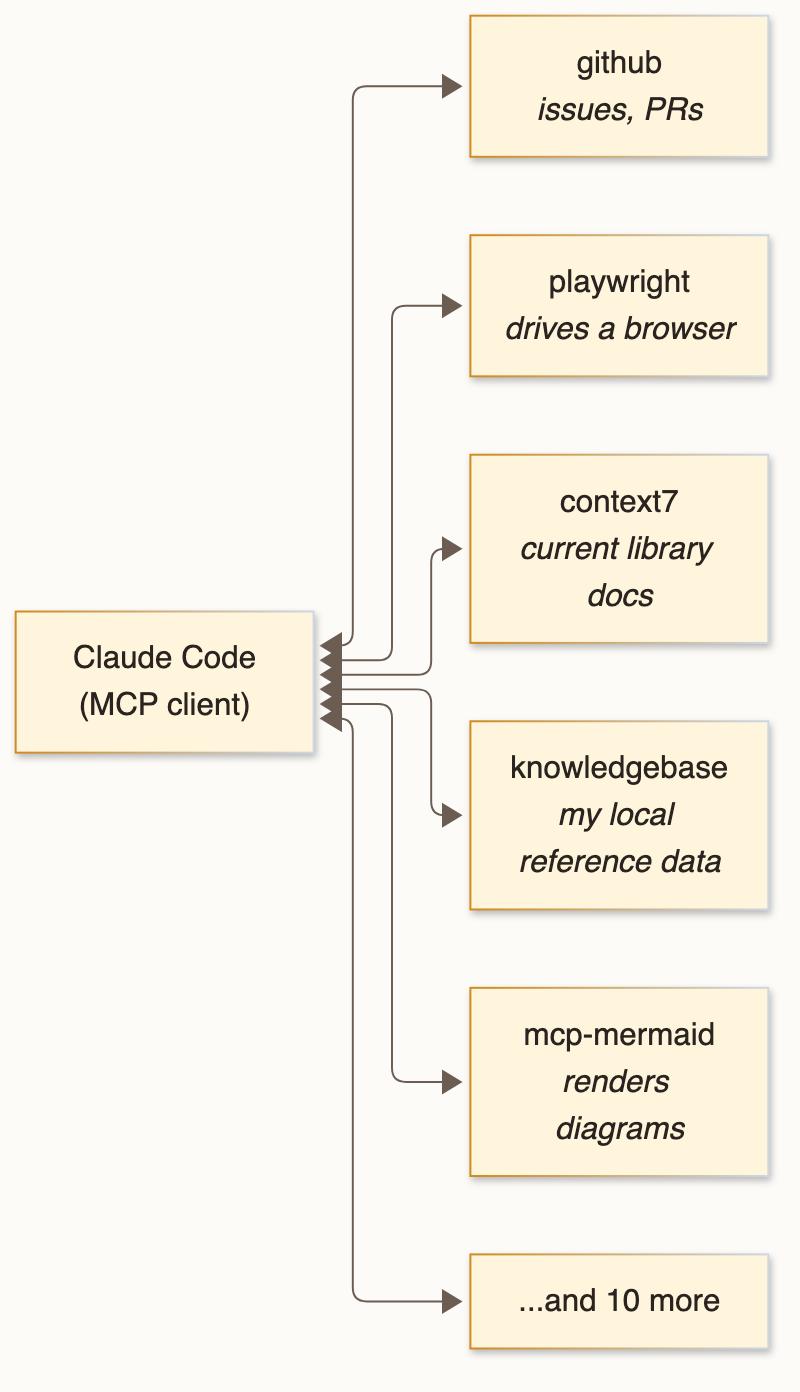
What MCP is, the servers I would start with, what RAG means, and the small keyword-search knowledgebase I built so Claude stops re-scraping the same wiki.
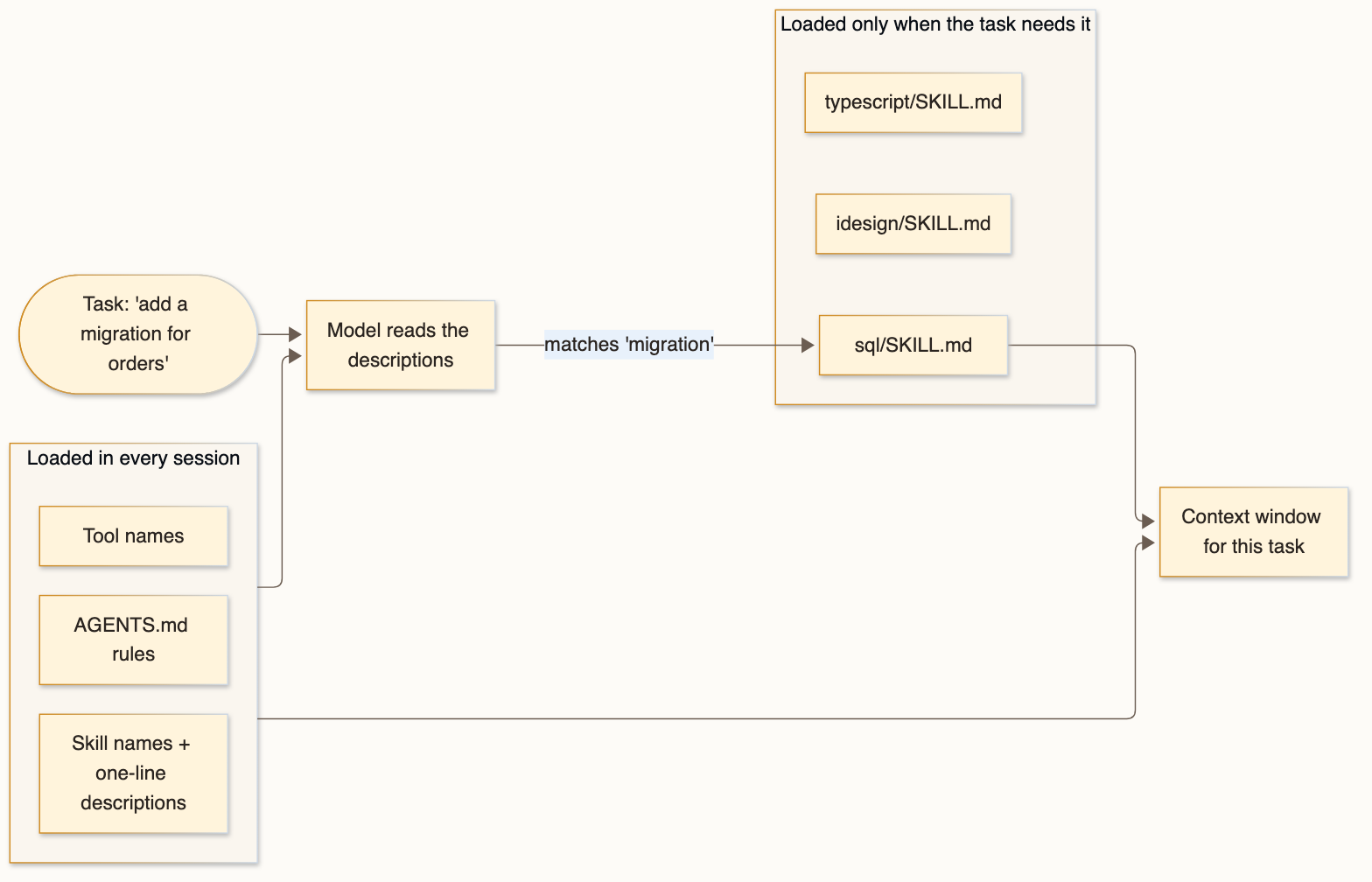
Rules load into every session and cost tokens every time. Skills load only when needed. How I split them, and what an audit of my setup turned up.
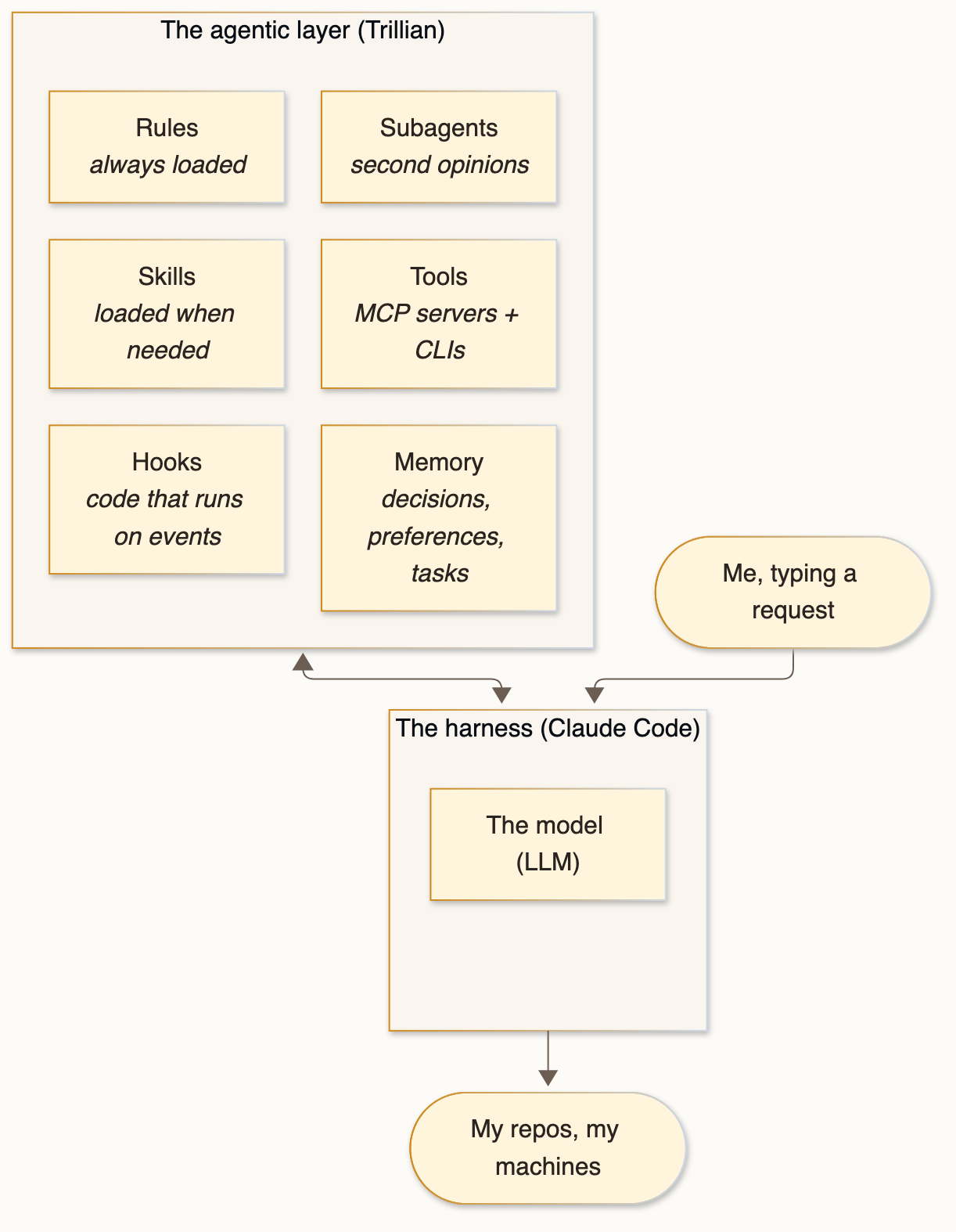
What an agentic layer is, the words you need to talk about one, and how Trillian, my portable AI coding setup, is put together.