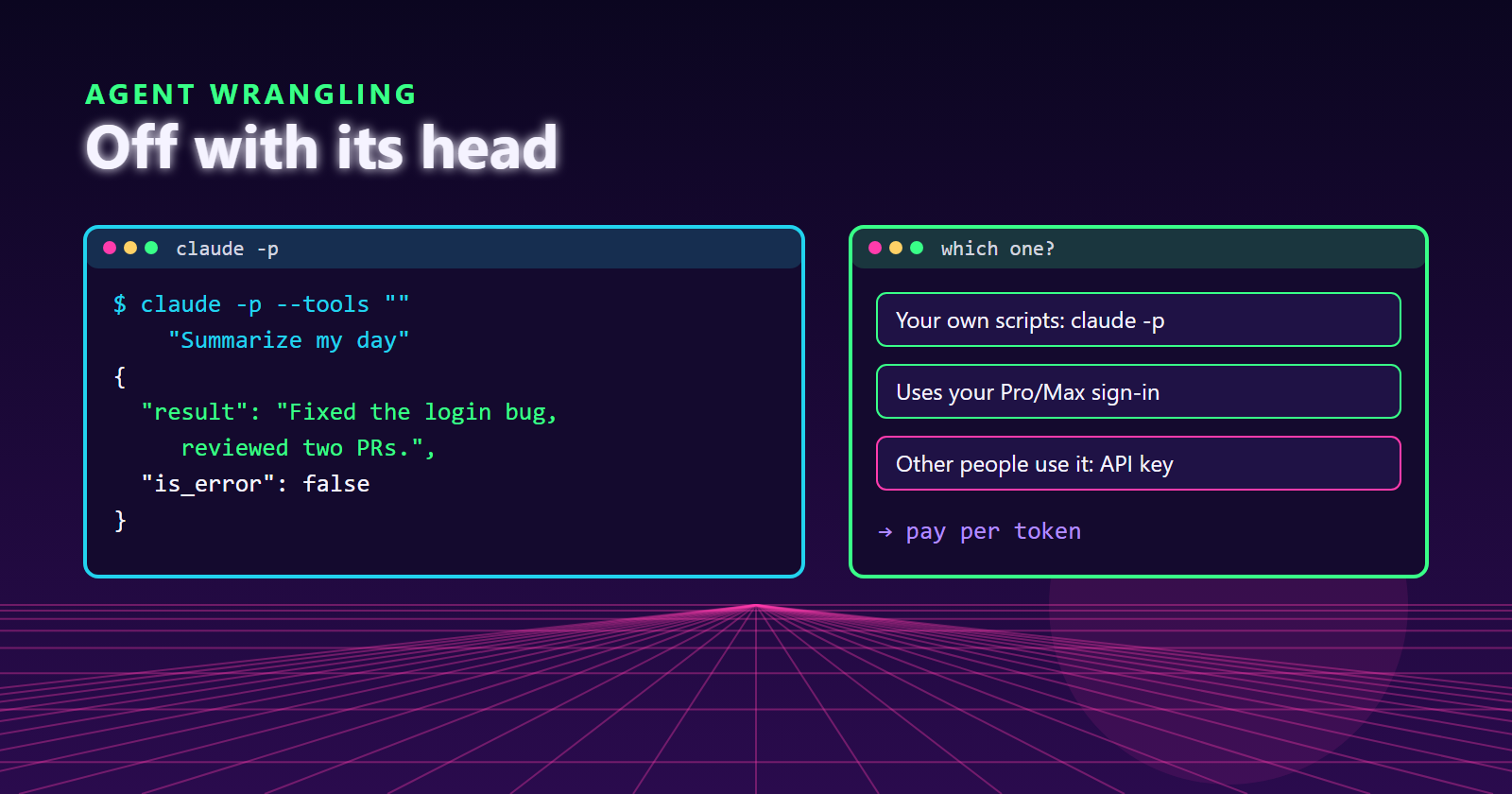

Off with its head: running Claude headless instead of calling the API
If you have Claude Pro or Max, a script on your own computer can use claude -p and your normal sign-in instead of an API key. How it works, and when to use the API anyway.
If you have Claude Pro or Max, a script on your own computer can use claude -p and your normal sign-in instead of an API key. How it works, and when to use the API anyway.
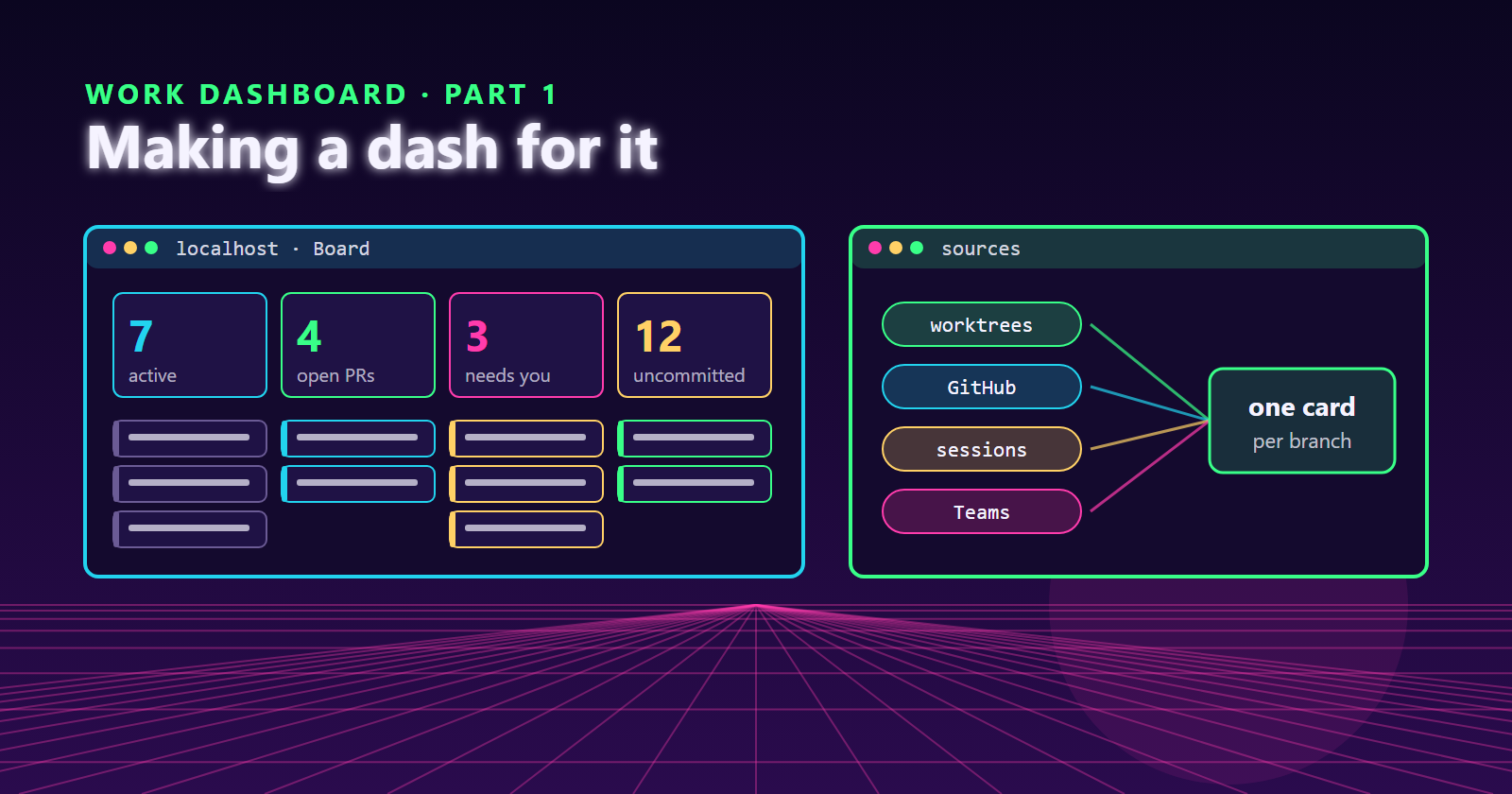
One page on my laptop that shows every issue, branch, pull request, and Claude session I have going. Why I built it, and how each tab came from something that bugged me.
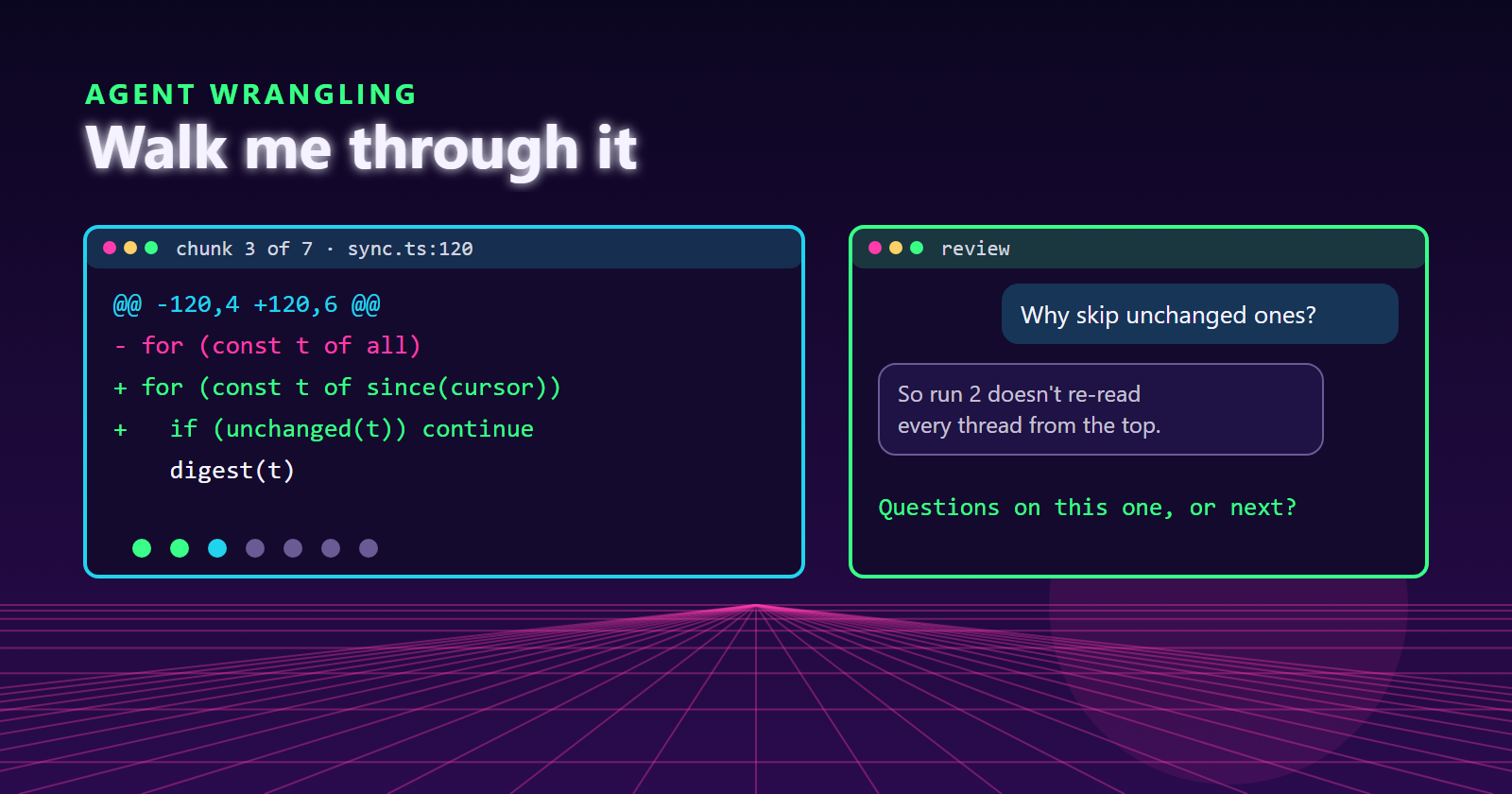
A Claude Code skill that goes through code changes one chunk at a time, with diagrams where they help, and stops for my questions like an in-person review. Now for coworkers' PRs too.
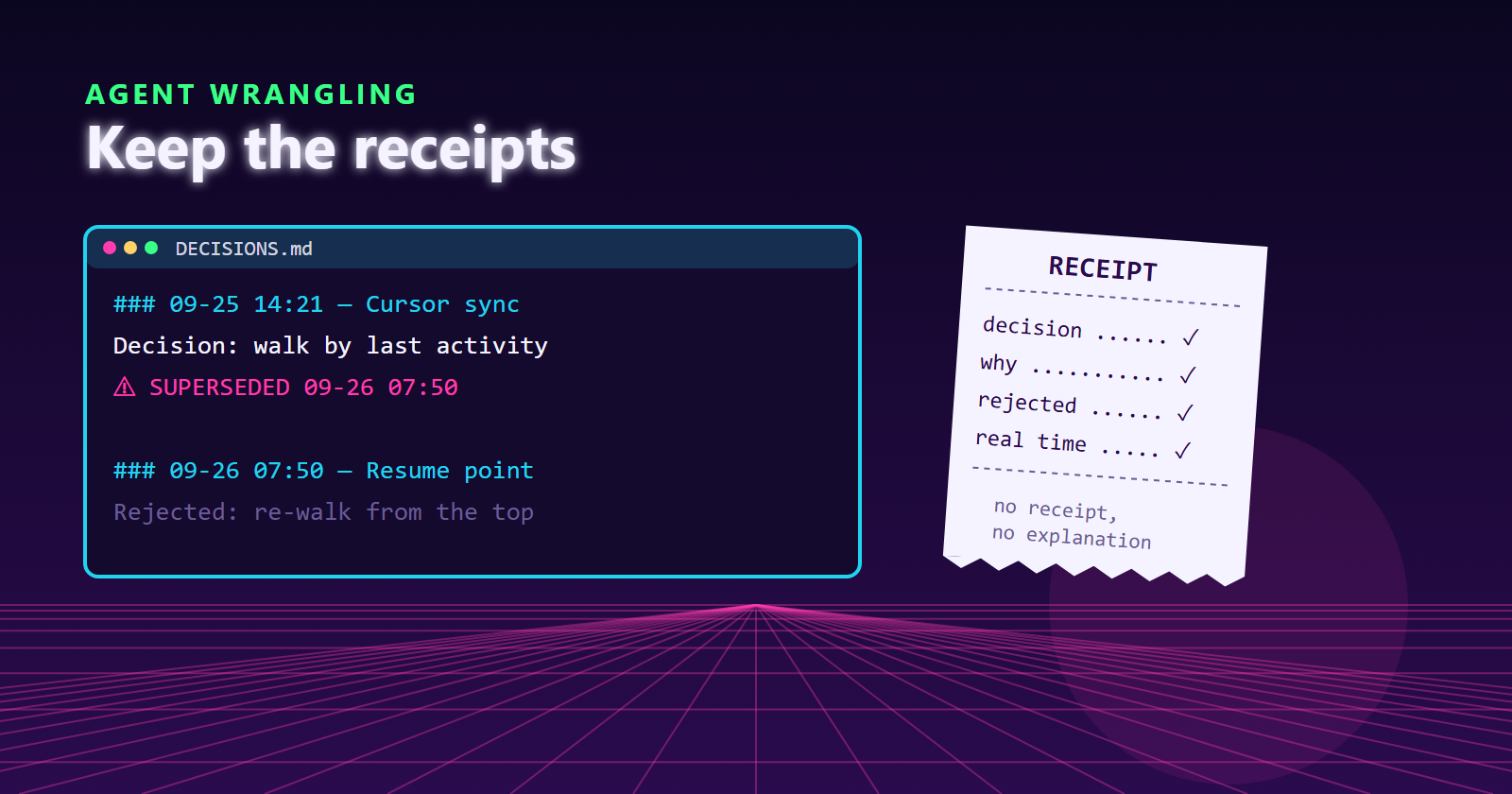
My AI agent writes down every real decision as it works: what it picked, why, and what lost. How that log works, and the rule that keeps it honest.
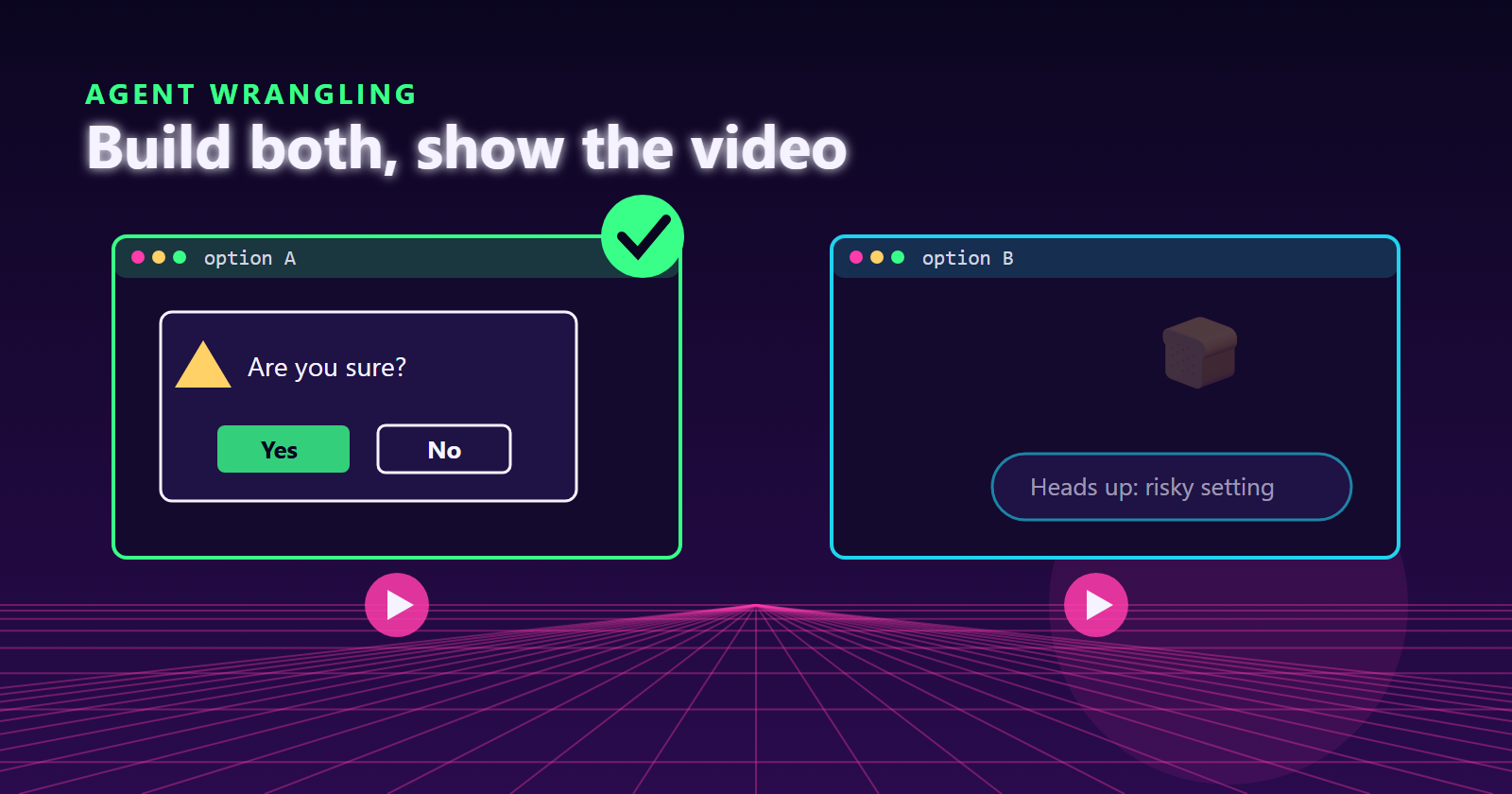
When a design question could go either way, I have Claude build both versions, record a short video of each, and let the team pick. The second version costs almost nothing.
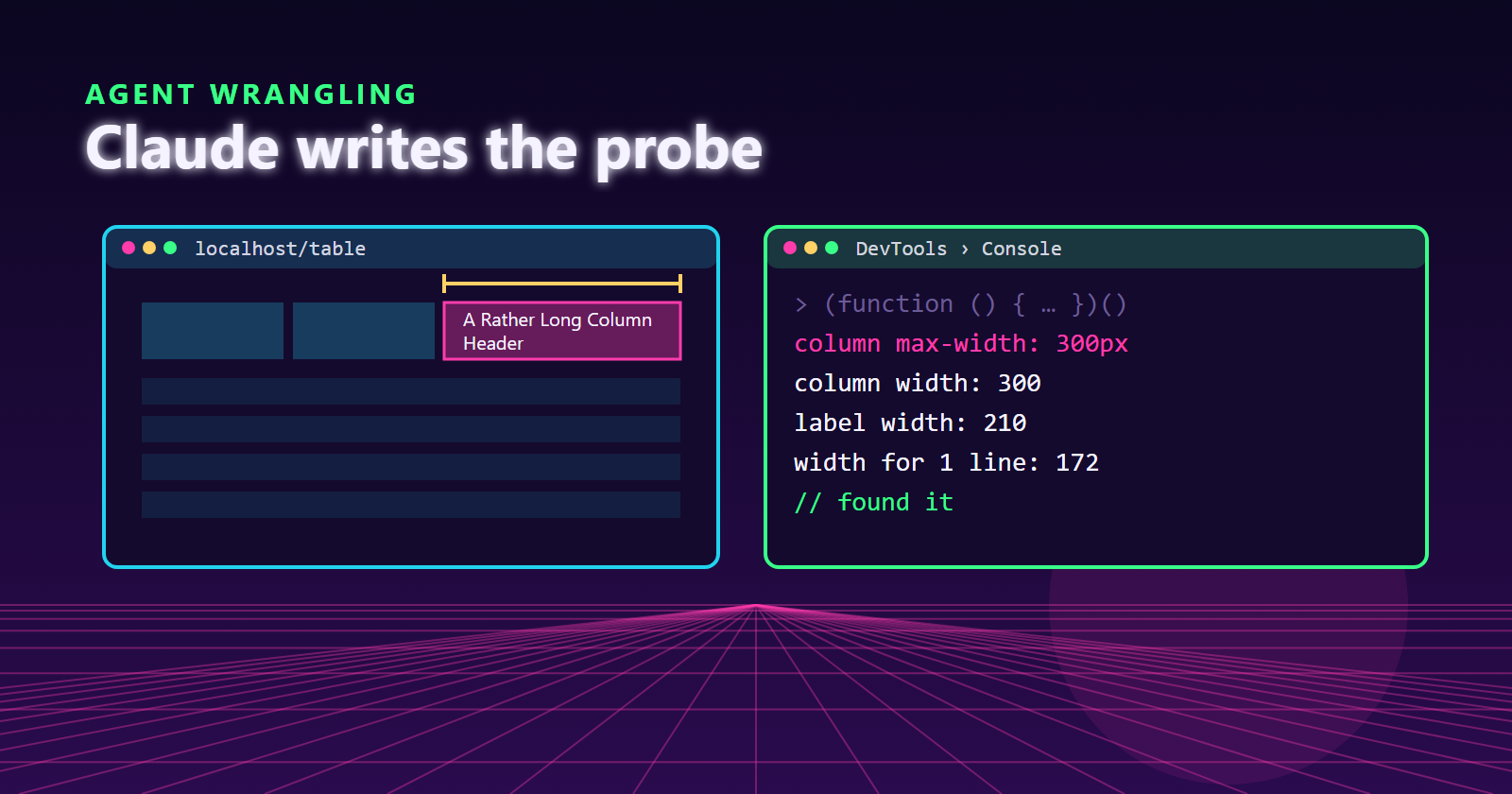
When Claude can't see what's broken, I have it write a small script, I run it, and I paste the output back. Real numbers beat another round of guessing.
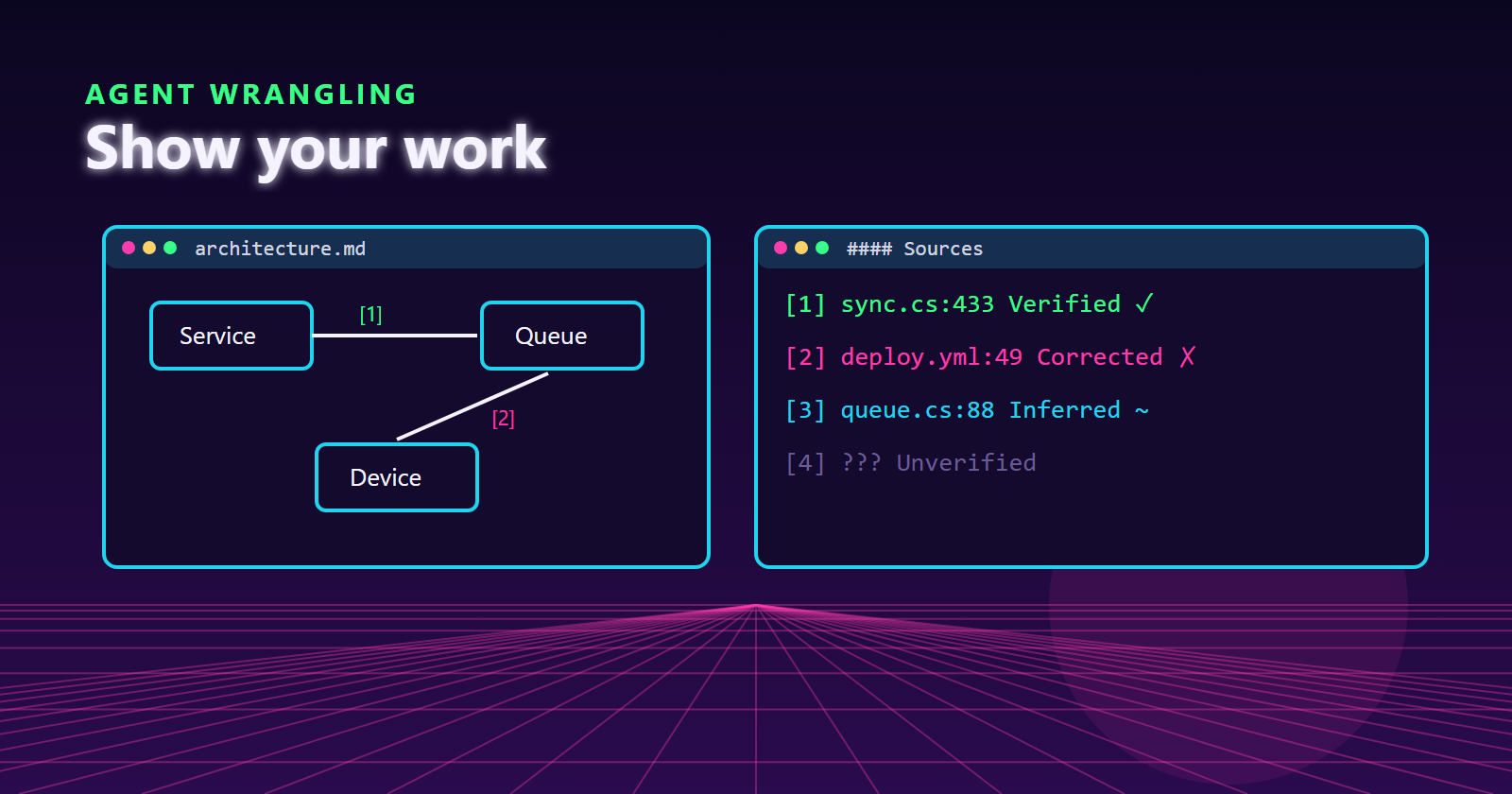
I had Claude add a file and line number to every claim in a set of AI-written architecture docs. About 130 of roughly 1,500 claims turned out to be wrong.
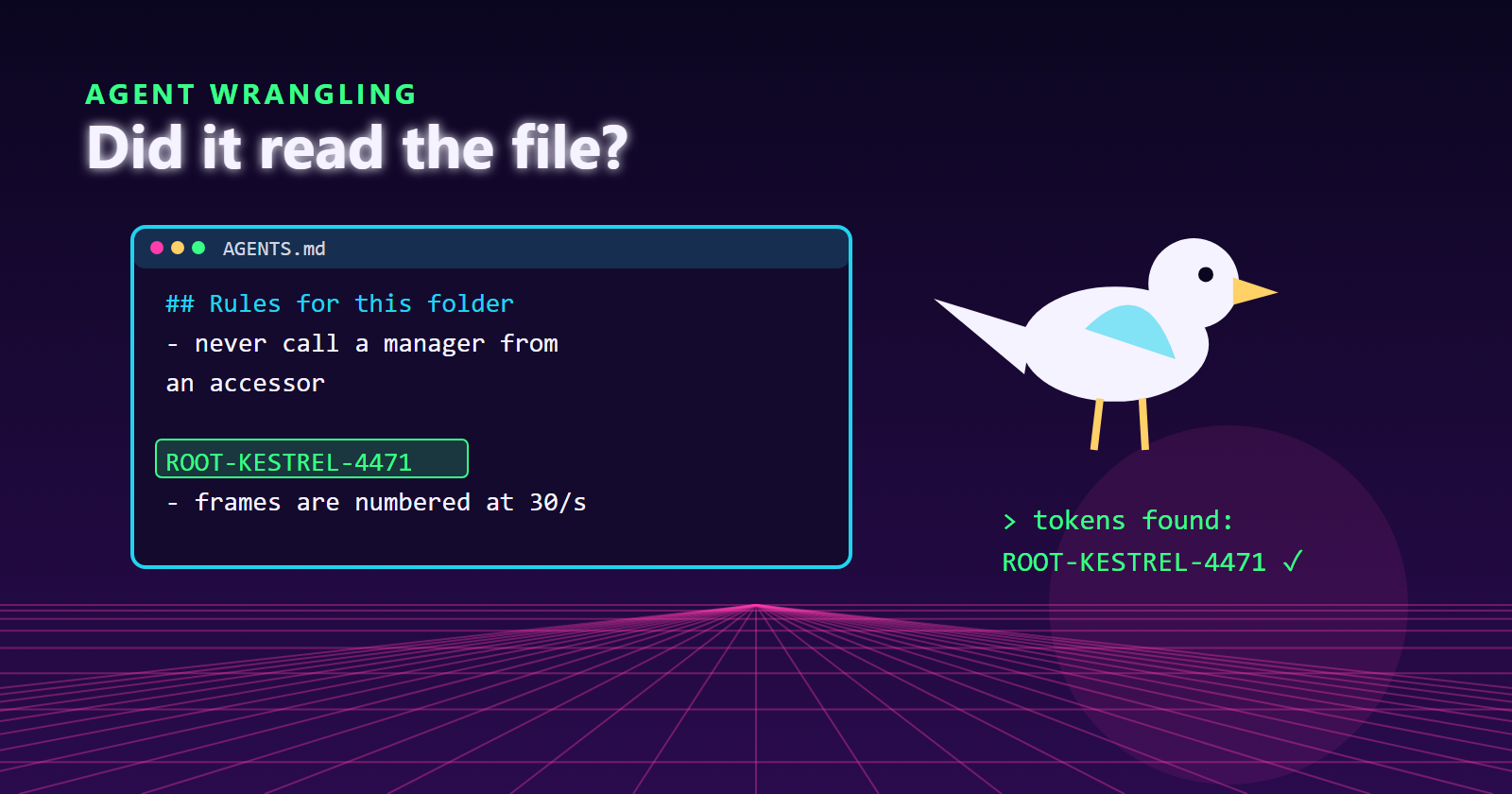
You can't ask an AI agent which instruction files it loaded. Plant a made-up token and see if it comes back. What that showed me about Claude Code and Copilot code review.
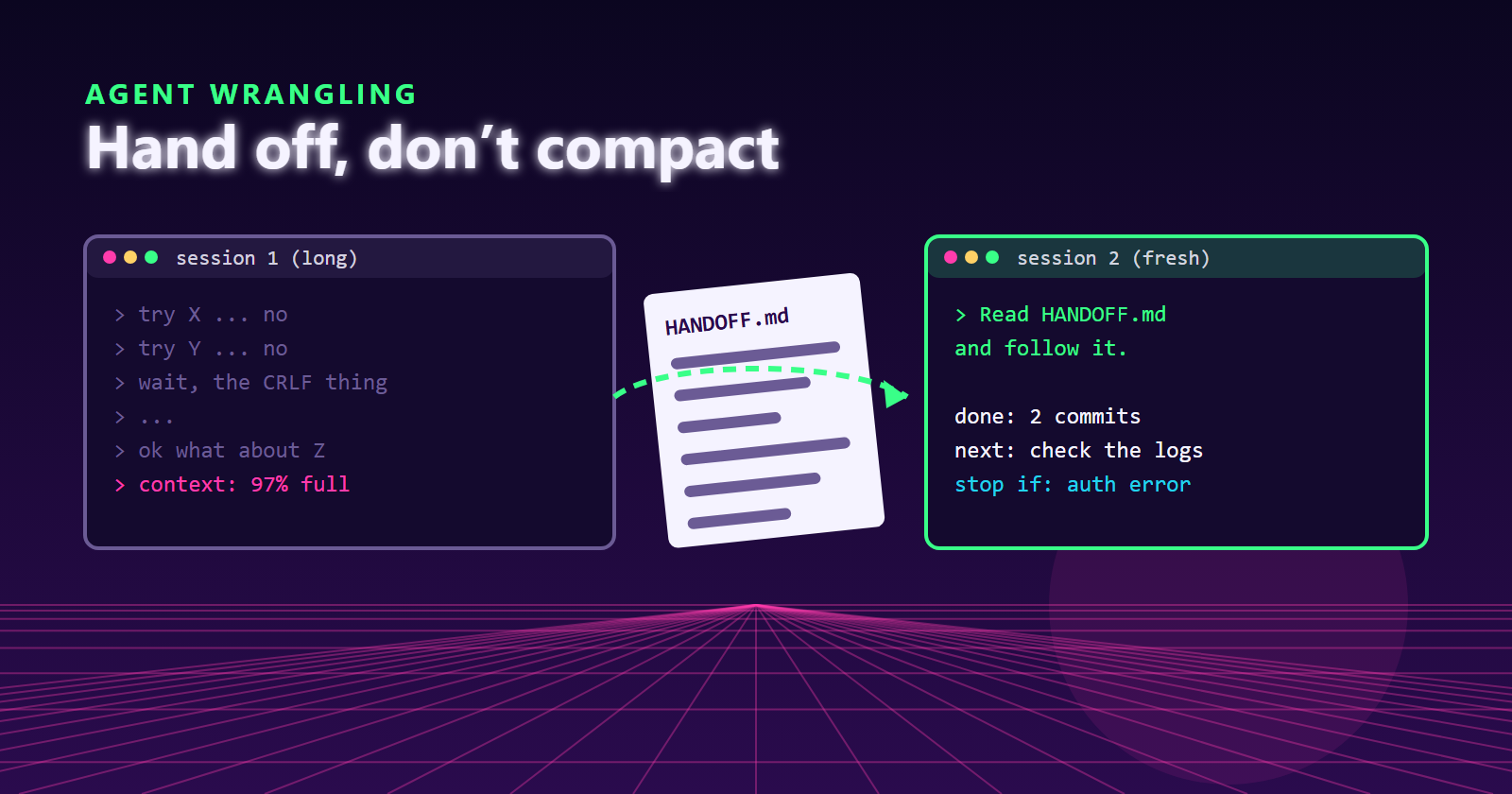
When a Claude Code session gets long, I have it write a hand-off note and start a fresh session, instead of letting it compact. Why that works better for me.
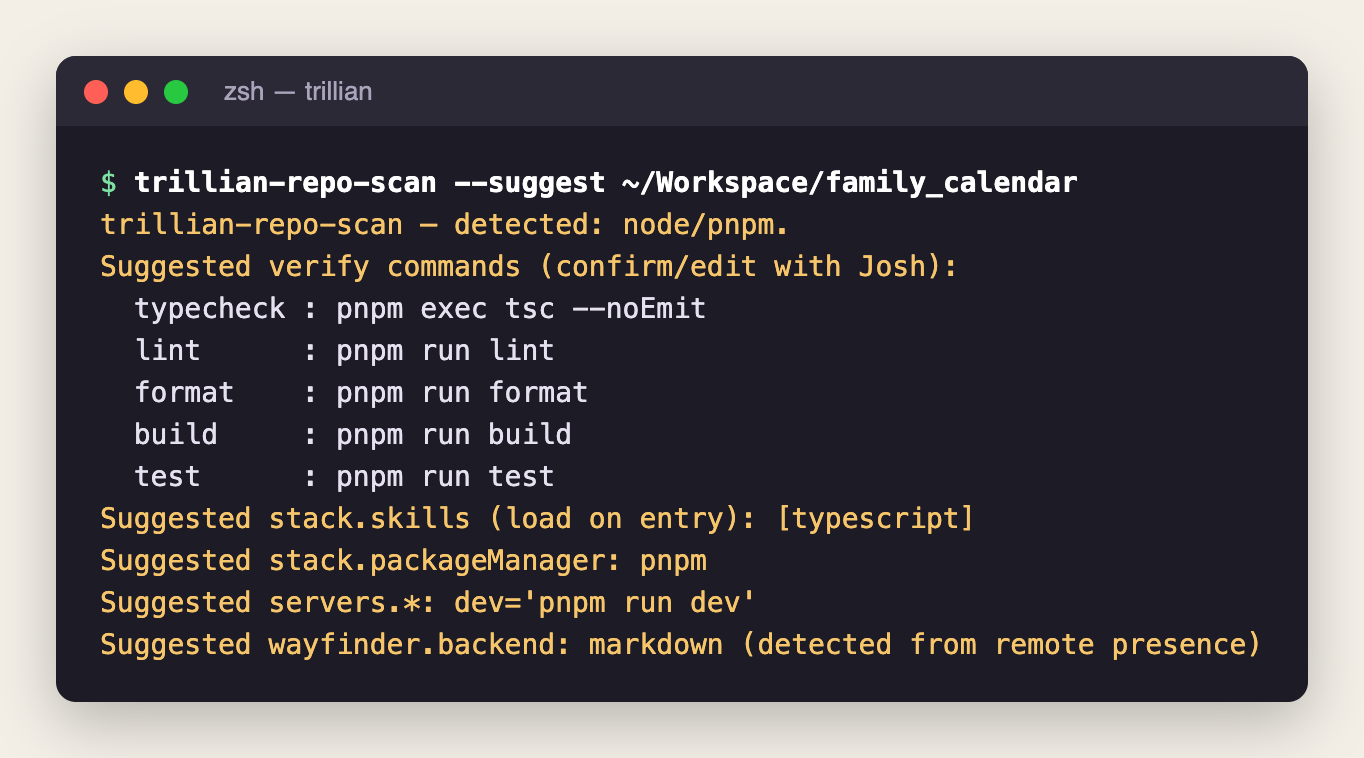
Why I built Trillian: so I would not have to remember what it does. The trigger word, rules it writes for itself, and the habits that make it act without being asked.
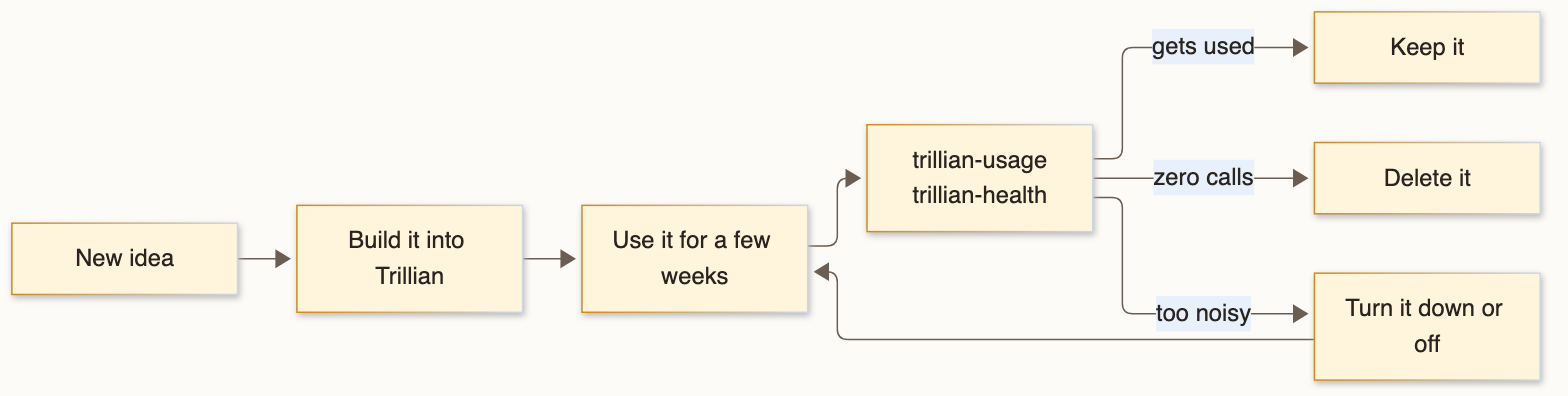
Every skill, server, and hook costs something each session. The two tools that tell me whether the config is accurate and what actually gets used, and what I cut because of them.
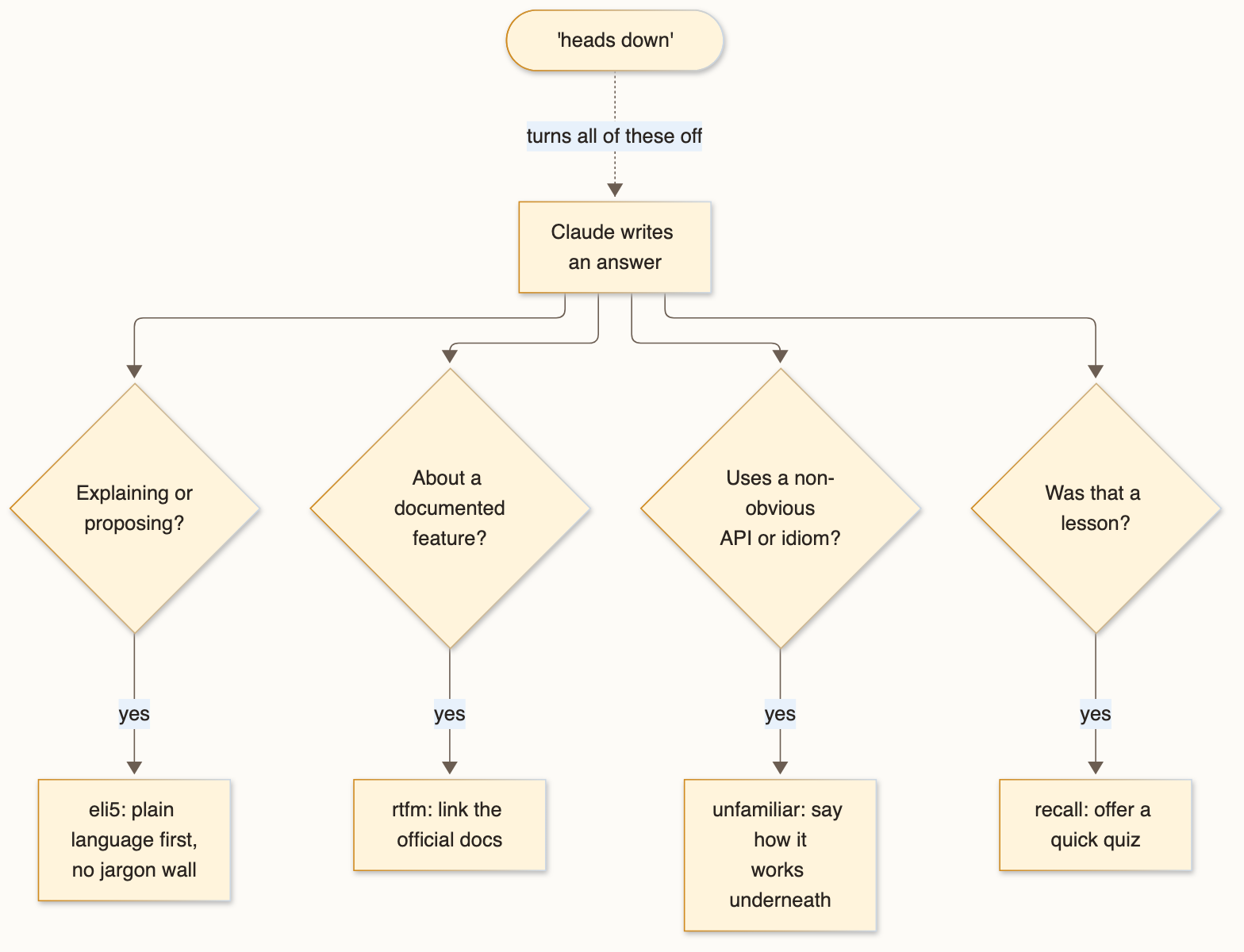
The more the agent does, the less I understand my own code. The learning skills that are on by default in every session, and the push-back rule against a too-agreeable agent.
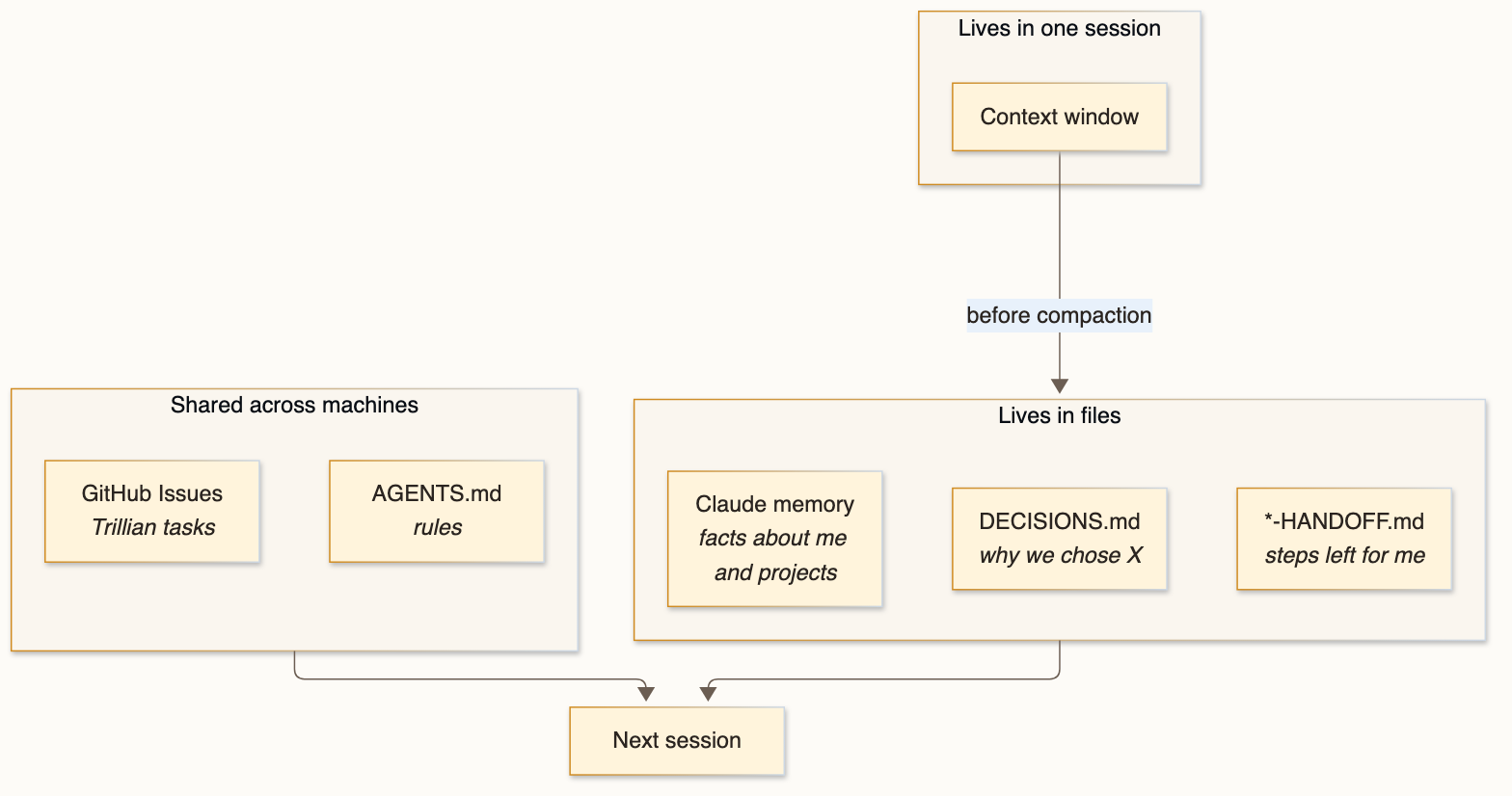
Context windows forget. Decision logs, hand-off files, a GitHub-backed task list, and a two-stage loop that turns my past corrections into proposed rules.
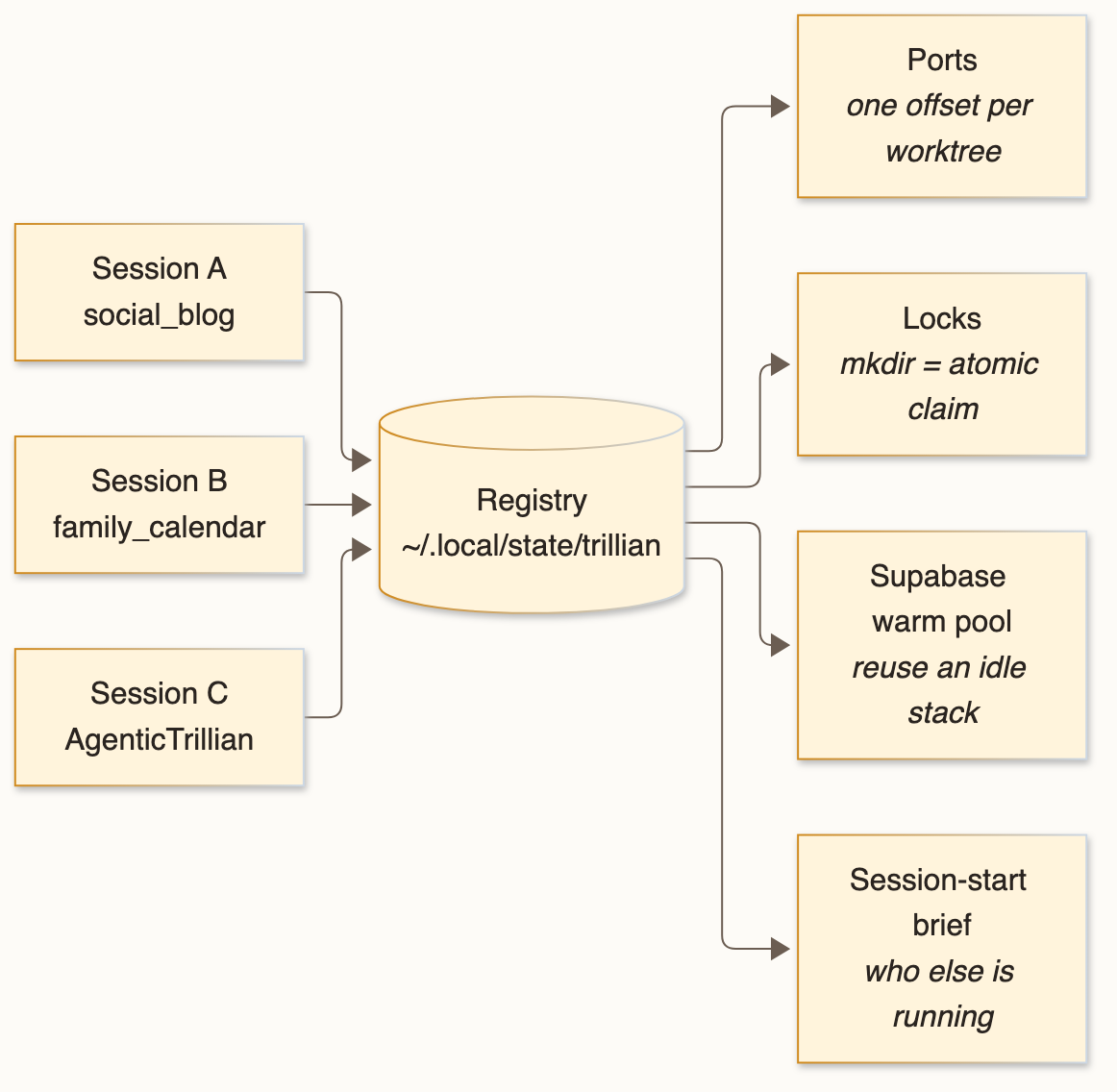
What collides when a dozen Claude sessions share one laptop, and the small registry, mkdir locks, and worktree habits that keep them out of each other's way.
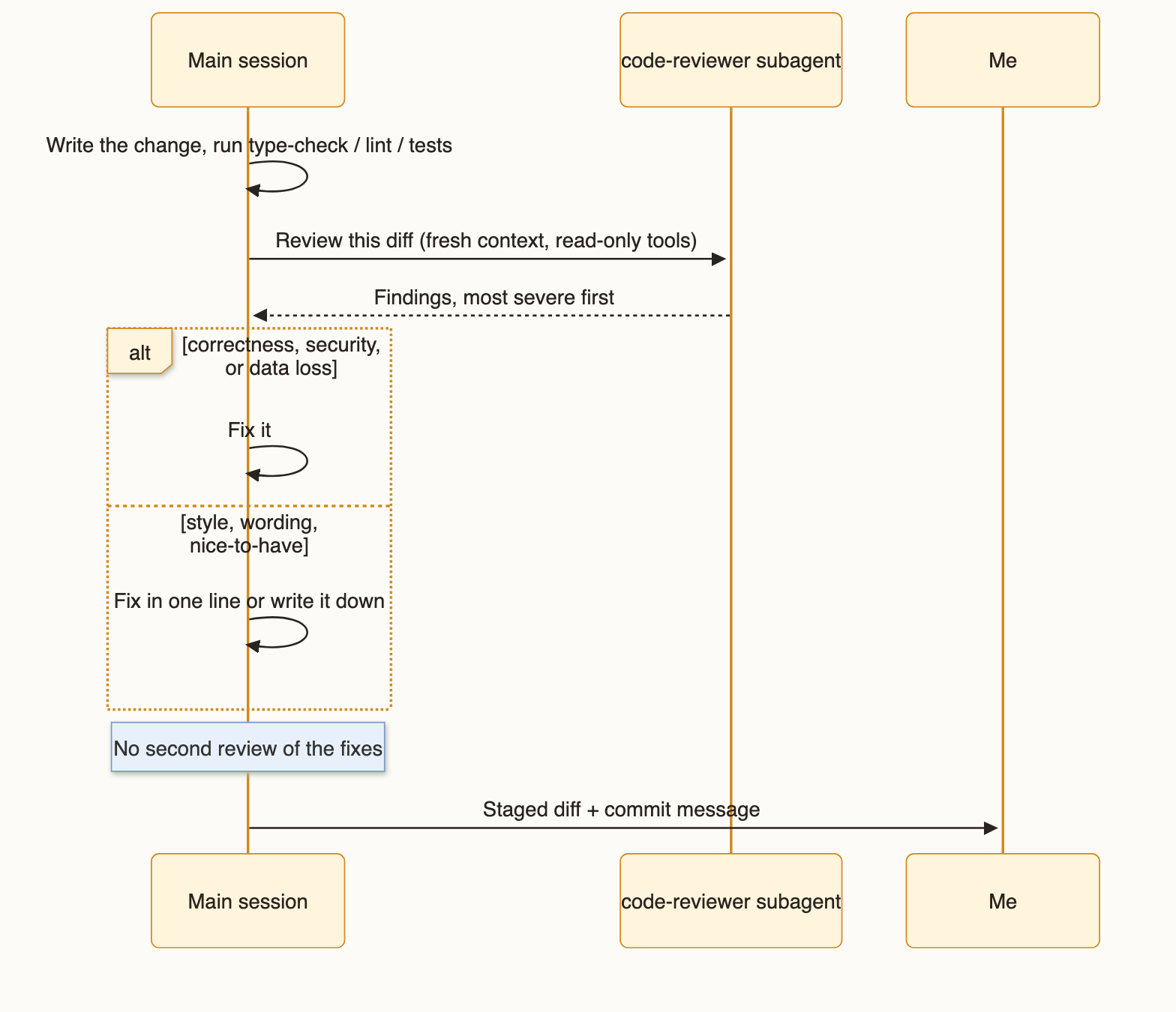
Subagents, context isolation, and a read-only code reviewer. Plus the review rule that caused a five-round loop, and why I check what reviewers tell me.
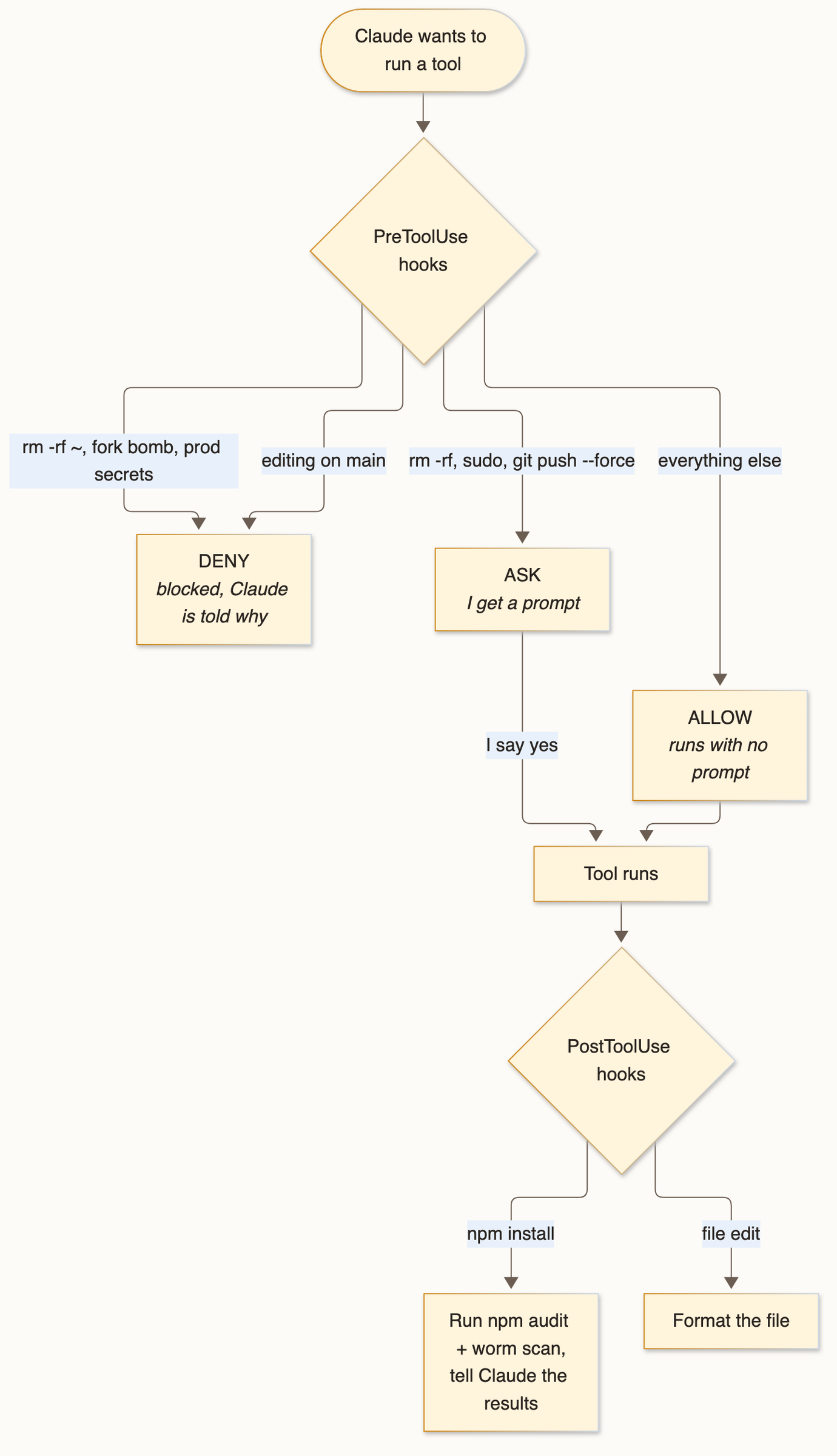
Rules are requests. Hooks are code. How I use Claude Code hooks to auto-approve the safe stuff, ask about the risky stuff, and keep agents away from production.
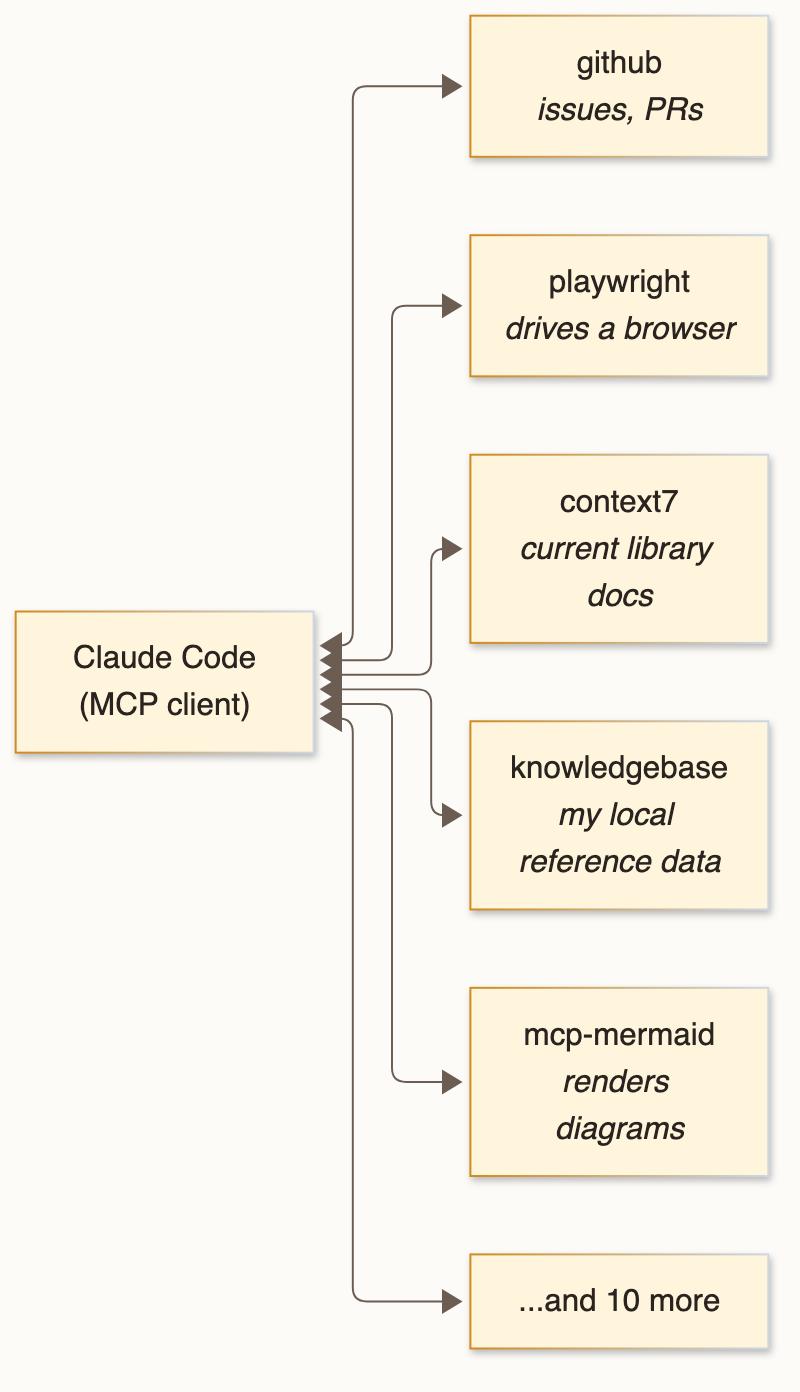
What MCP is, the servers I would start with, what RAG means, and the small keyword-search knowledgebase I built so Claude stops re-scraping the same wiki.
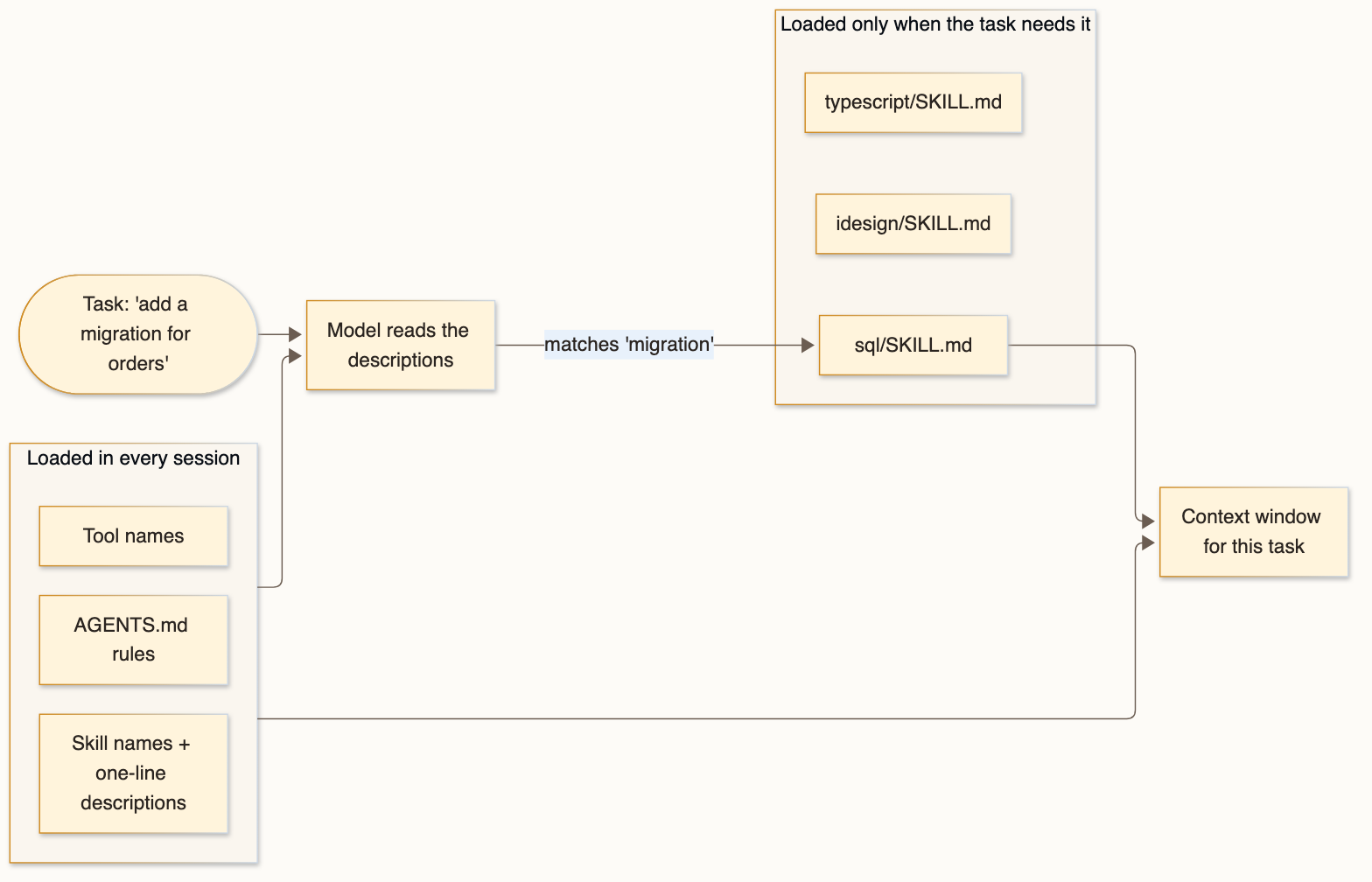
Rules load into every session and cost tokens every time. Skills load only when needed. How I split them, and what an audit of my setup turned up.
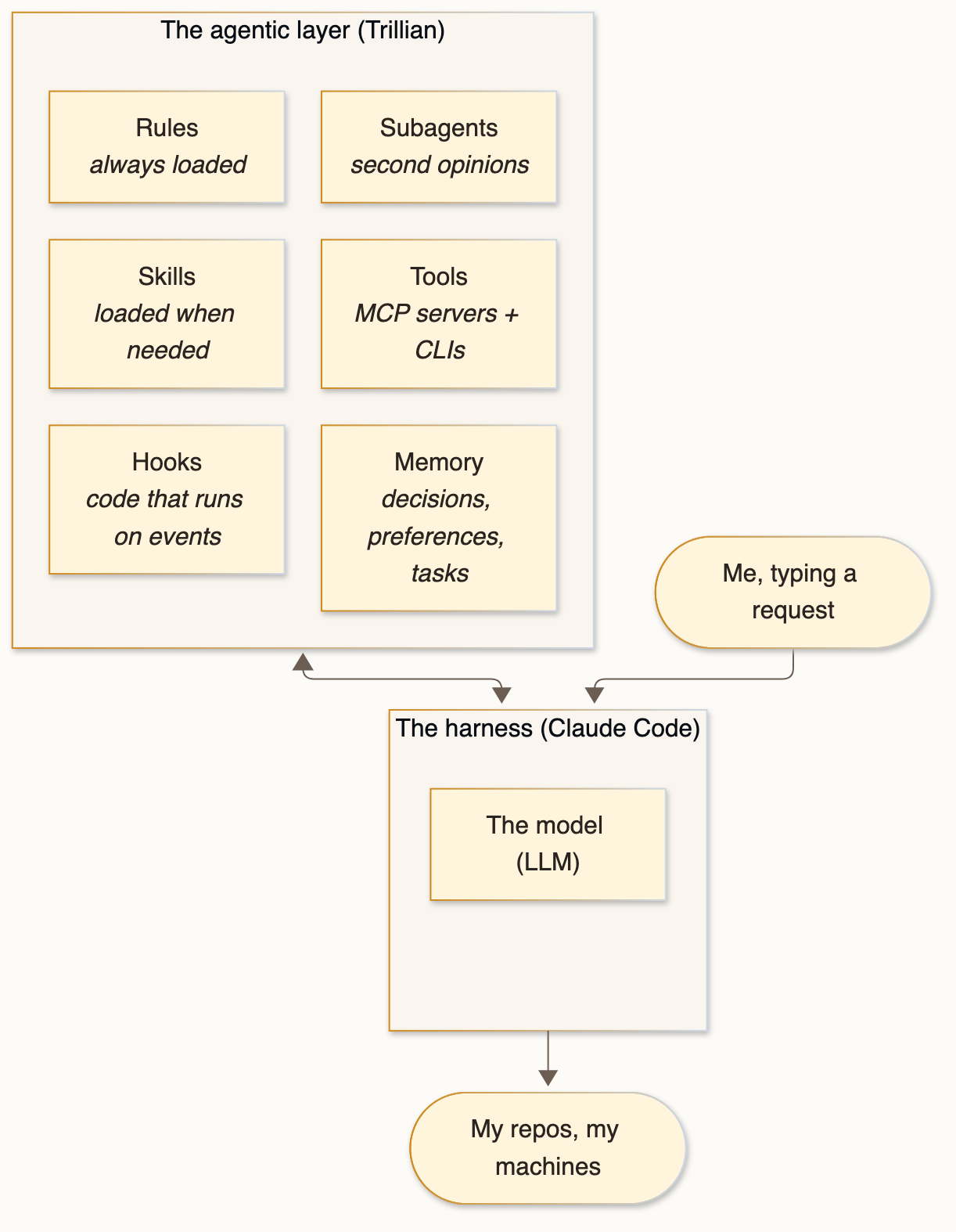
What an agentic layer is, the words you need to talk about one, and how Trillian, my portable AI coding setup, is put together.
AI agents often write the answer to your chat question into the file. Each sentence is true, and the next reader gains nothing. Why it happens, and a one-question test to cut it.